Eco Nex Global

Industry Spotlight: How pre-processing technology is accelerating Waste-to-Energy and landfill diversion

Circularity isn’t achieved by intent alone—it’s achieved through infrastructure, clear specs, and equipment that turns complex material into measurable outcomes.
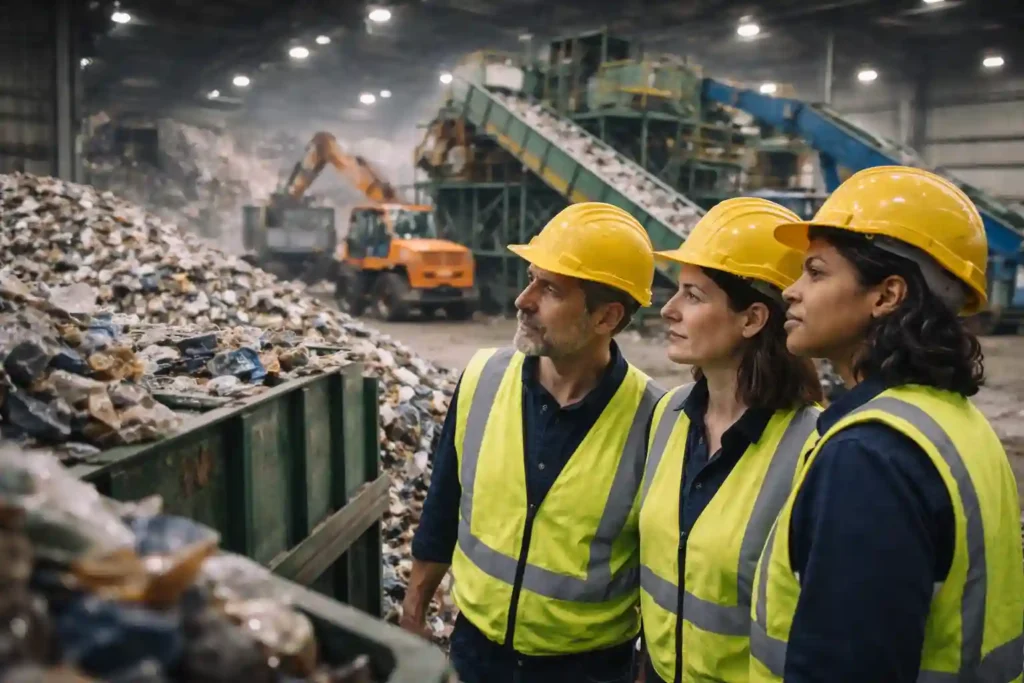
A recent industry case highlights a Birmingham material processing facility opened in May 2022, built by revitalizing an abandoned site into a modern operation that converts post-recycled commercial/industrial waste into alternative engineered fuel (AEF).

AEF is produced to meet the needs of cement and lime kilns, enabling a more efficient burn with lower emissions while displacing fossil fuels. Similar fuels can also support other energy-intensive industrial users such as power plants, paper mills, steel manufacturers, and certain chemical facilities operating large boiler systems.

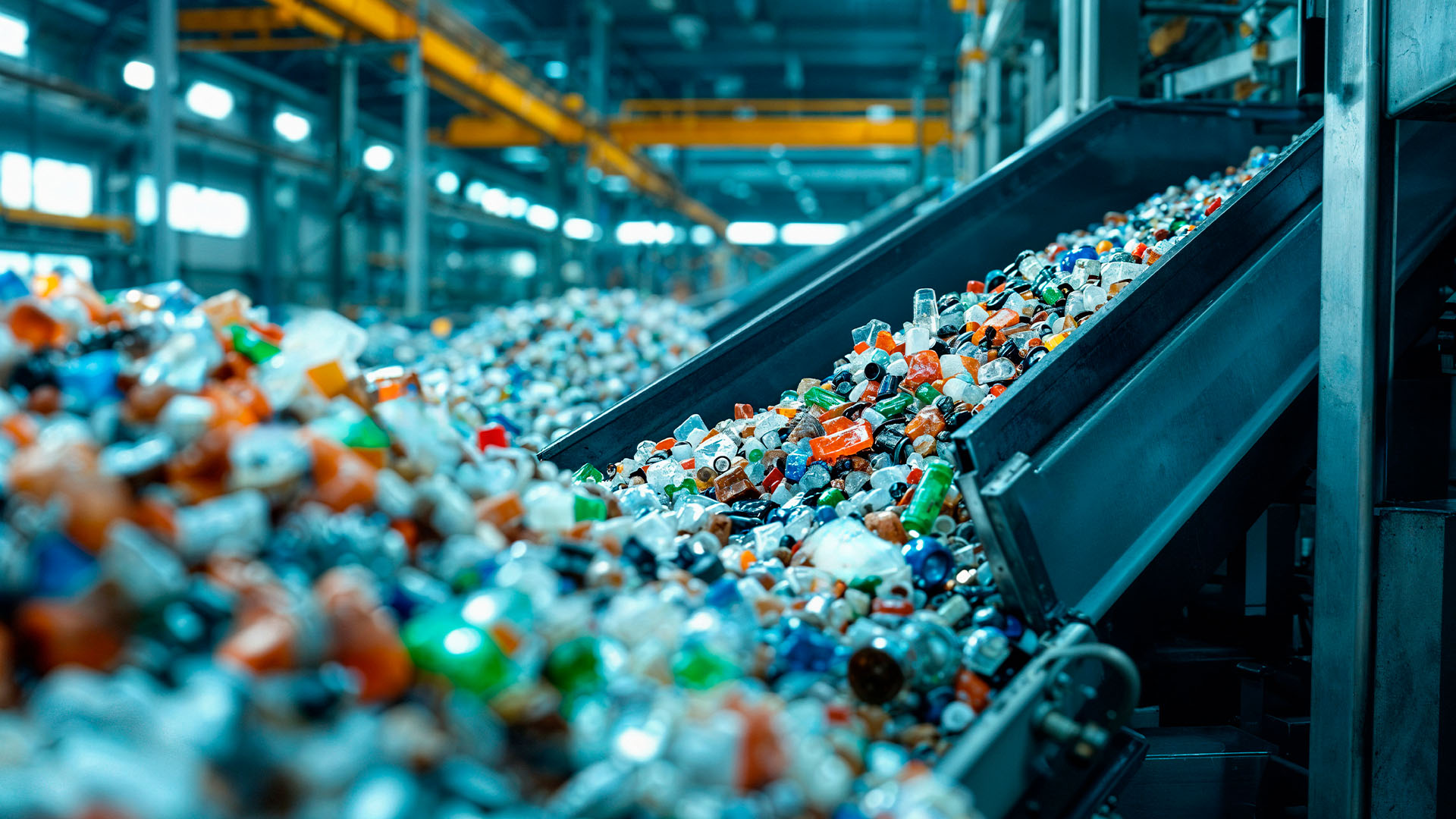
The facility is designed for up to 100,000 tons/year of AEF and reports consistent production above 50,000 tons/year, with plans to grow as intake increases. The case attributes performance gains to equipment that handles complex materials—integrating shredding, conveying, and magnetic separation (notably M&J shredders, Westeria conveyors, and Steinert magnets) to improve recovery and uptime.

eco-nex-global-tailored-recycling-programs

Eco Nex Global Perspective—Turning Technology into Execution

Where equipment strategy meets logistics and material planning

Eco Nex Global supports circular programs by connecting equipment sourcing, material planning, and logistics execution—so performance targets translate into real operational outcomes.

Building a scalable playbook for continuous improvement

Strong programs are built on repeatable systems: defined roles, consistent procedures, and KPIs that drive ongoing optimization. That’s how circularity scales without losing control.

Next steps: assessment, equipment sourcing, and distribution planning

Whether the goal is landfill diversion, engineered fuel pathways, or overall recycling performance, the next step is clear: assess the stream, define the output target, match the right technology, and align logistics to deliver consistently.

FAQs

What materials are best suited for AEF and WtE pathways?

Typically mixed, non-recyclable fractions that can be stabilized through pre-processing and meet end-market specifications.

What pre-processing equipment is most critical for consistency?

A reliable combination of shredding, conveying, and separation—supported by strong quality controls and maintenance planning.

How do you reduce contamination and protect equipment uptime?

By setting acceptance criteria, standardizing sorting, using effective separation steps, and maintaining preventive maintenance discipline.
If your operation needs to increase diversion, improve throughput, or explore engineered pathways for complex materials, Eco Nex Global can help align equipment strategy, distribution & logistics, and recycling program design—so you can connect, transform, and move forward.