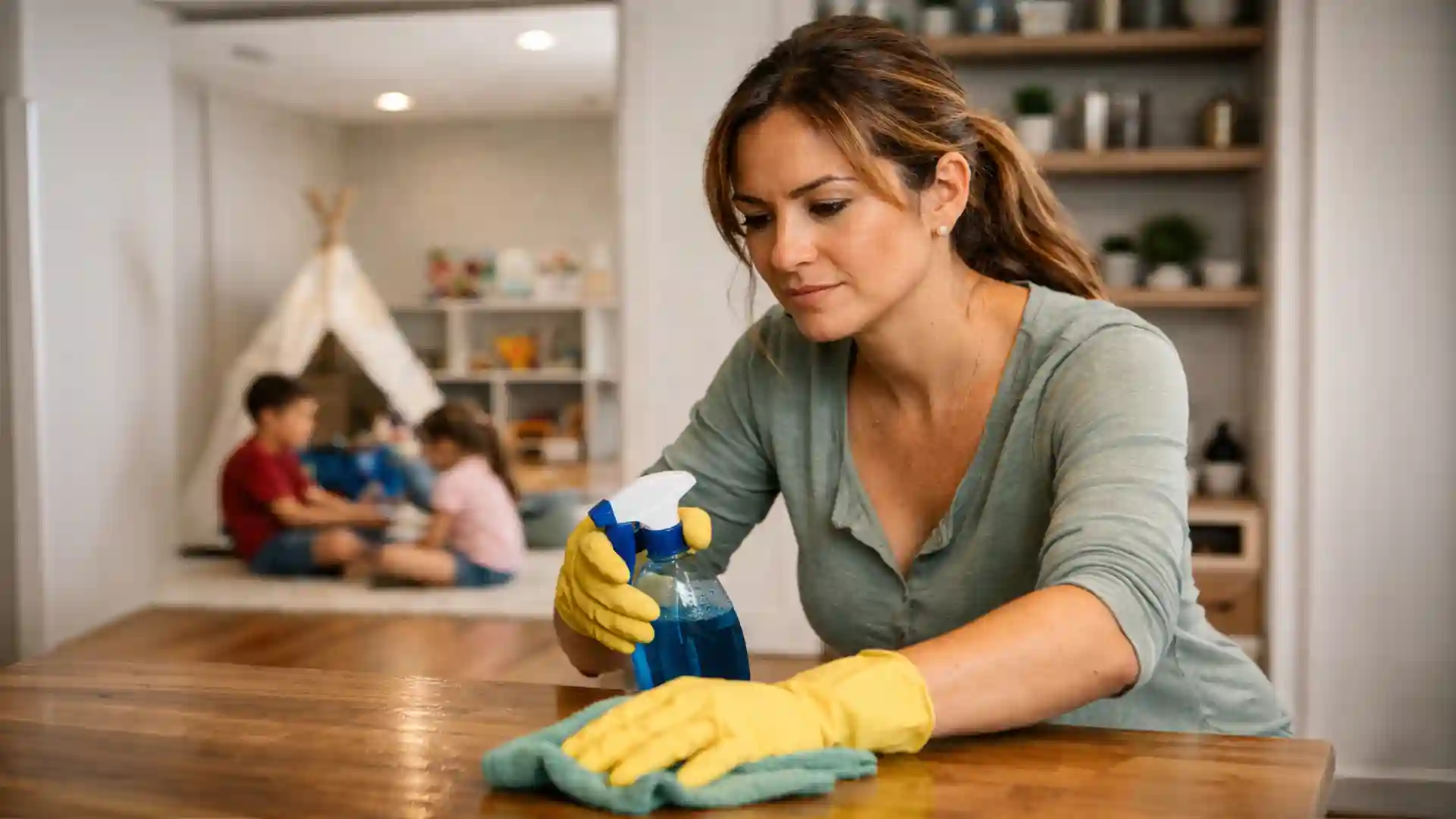
Spring cleaning is the perfect reset: declutter, donate, refresh your space, and let go of what you no longer use. But there’s one key factor many people overlook: some everyday items shouldn’t go in the regular trash. If disposed of incorrectly, certain household products can harm soil and water—and create real health risks for people and wildlife.
At Eco Nex Global, we believe progress happens through simple, repeatable actions. Here’s a practical guide to help you spring clean responsibly—without overcomplicating it.

The U.S. EPA describes household hazardous waste (HHW) as leftover household products that can catch fire, react, or explode under certain circumstances, or products that are corrosive or toxic. These materials often contain ingredients that require special disposal methods.
In short: if it’s flammable, toxic, corrosive, or reactive—treat it differently than everyday trash.
During spring cleaning, you may find:
1) Sort before you toss
Use two bins: Regular Trash and HHW / Special Handling. If unsure, place it in “special handling.”
2) Check the label
Look for hazard wording and warning symbols (flammable, toxic, danger, corrosive).
3) Never mix chemicals
Avoid consolidating products into one container—mixing can create dangerous reactions.
4) Reduce at the source
When restocking, choose safer alternatives when possible and buy only what you’ll actually use.
5) Reuse, donate, or repair
The most sustainable waste is the waste that never happens.
6) Use approved drop-off options
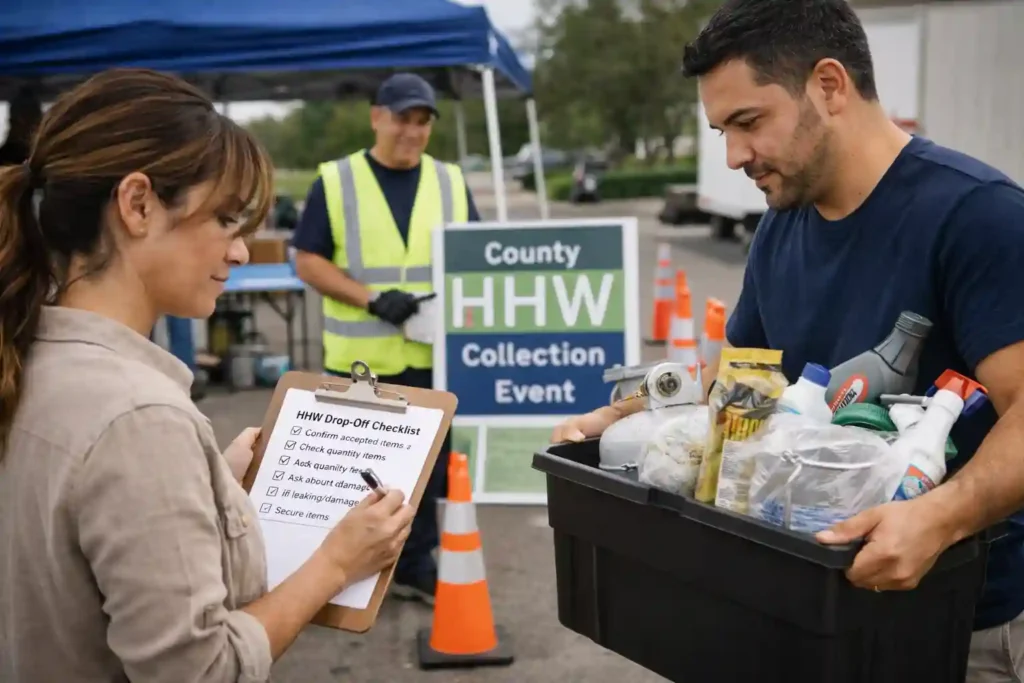
Many municipalities offer HHW drop-off sites or collection events. Use these channels to keep hazardous materials out of landfills and drains.
Before you go:
If your area doesn’t offer HHW options, you can take initiative:
Spring cleaning is more than organizing—it’s an opportunity to reduce risk and protect the environment through smarter disposal habits. Small steps, multiplied across communities, create measurable change.
Eco Nex Global — Connect, transform, and move forward.